Power is the scarcest input in AI infrastructure, and TeraWulf has secured twice as much of it in eastern Kentucky.
On October 5, TeraWulf and Kentucky Power, an American Electric Power company, announced an amended electric service agreement that raises contracted power at the Muskie Data Campus in Grayson, Kentucky, from 500 MW to 1 GW. The second 500 MW phase moves forward a full year, from 2030 to 2029, while the first phase remains on track to begin ramping in 2028.
The capacity is only half the story. The deal also sets out who pays for the grid that serves it, and that is where the agreement becomes a template worth studying.
A Year Gained on the Second Phase
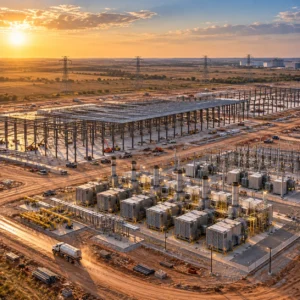
TeraWulf acquired Muskie in May 2026 for phased development as an AI and high performance computing campus. According to Engineering News-Record, the site covers about 285 acres at EastPark Industrial Park in northeastern Kentucky, roughly 20 miles southwest of Ashland, inside a 1,000 acre park zoned for data centers.
At acquisition, the company targeted the first 500 MW for the second half of 2028 and the next 500 MW for the second half of 2030, according to Converge Digest. Pulling the second block into 2029 compresses the path to a full gigawatt by roughly a year.
That change matters.
For hyperscalers and AI developers planning deployments years in advance, a dated, contracted power commitment is often the deciding factor between candidate sites. Paul Prager, TeraWulf’s chairman and chief executive, said in the company’s announcement that “Customer interest in Muskie has been tremendous, and power availability is central to those conversations.”
No tenant has been named for Muskie yet. The company says it is still evaluating whether the campus could support up to 2 GW over time, subject to further utility planning, infrastructure and agreements.
The Grid Build Behind the Gigawatt
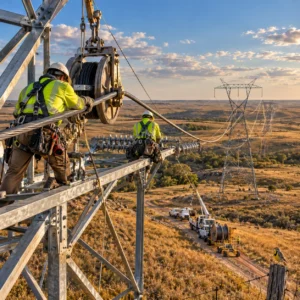
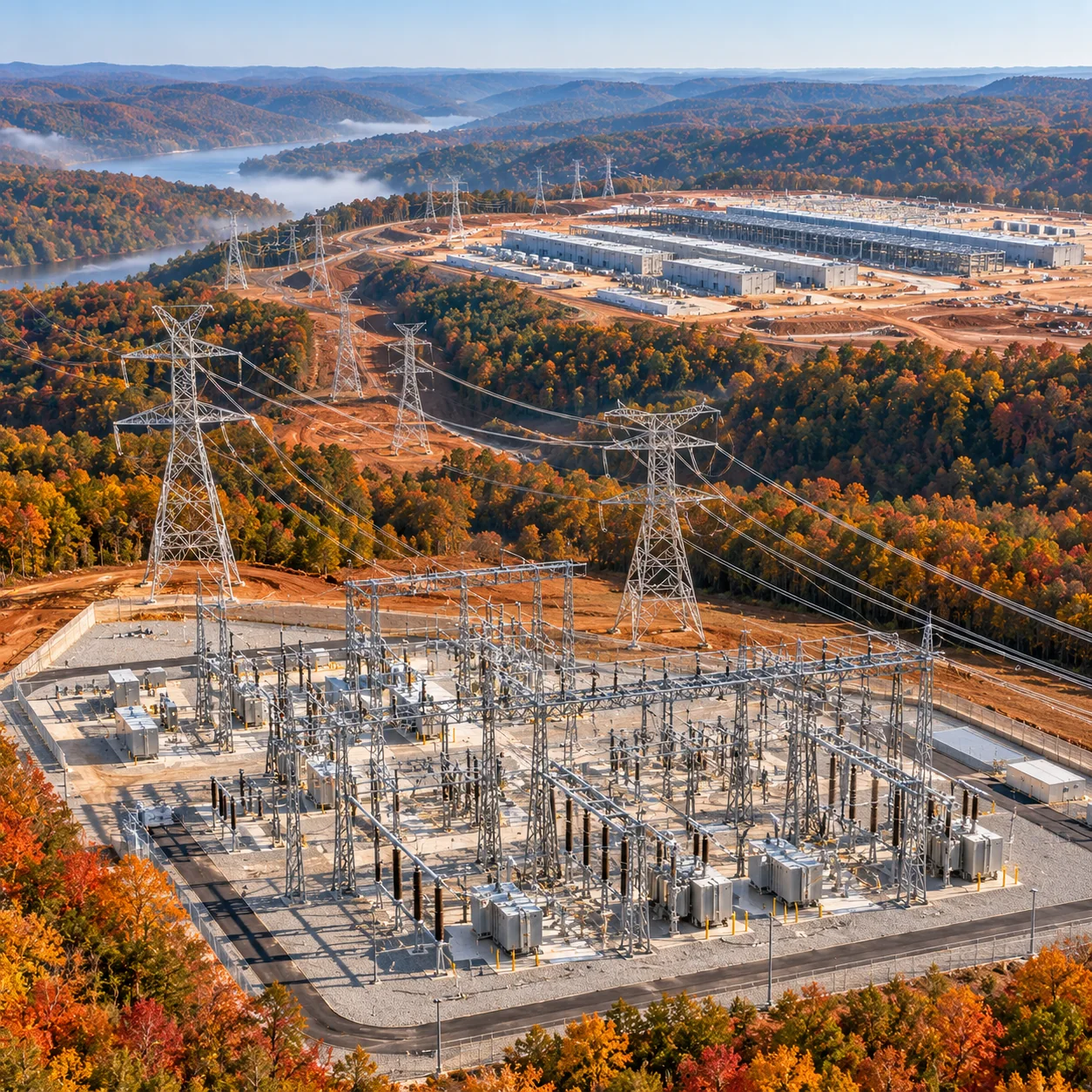
Serving a load of this size requires new extra high voltage infrastructure. Kentucky Power is developing a 765 kV and 345 kV substation connected to the regional transmission network to serve the campus.
Engineering News-Record reports the plan in more detail:
- A new 765 kV Venator Substation in Boyd County
- About 2.5 miles of overhead 765 kV lines tying Venator to an existing 765 kV line
- About 6 miles of parallel overhead 345 kV lines running to the Muskie campus
- A substation application filing in October 2026 and a transmission line filing in January 2027
- Substation construction from February 2027 and line construction from November 2027
- A target in-service date of October 2028
The schedule lines up with the first phase ramp in 2028. That sequencing, with transmission built to meet the load rather than the load waiting on transmission, is exactly what developers want to see in any interconnection plan.
Who Pays for New Demand
The most important terms in the agreement sit outside the megawatt figures.
Under the amended contract, TeraWulf would fund $100 million in winter bill credits for Kentucky Power’s residential customers over the first 10 years. Kentucky Power says that could amount to about $25 per month for a typical residential customer during the winter heating season, beginning in 2029.
TeraWulf has also agreed to pay the estimated financing costs for Kentucky Power’s planned 760 MW combined cycle generation facility at Big Sandy, on top of all applicable service charges. The agreement includes collateral requirements and other financial protections for existing customers.
Cindy Wiseman, Kentucky Power’s president and chief operating officer, described the goal as “helping ensure the costs associated with new demand are paid by the customers driving that growth.”
Kentucky Power serves about 163,000 customers across 20 eastern Kentucky counties. For a utility of that size, a gigawatt of new load is transformative. Structuring it so that the large customer carries the incremental cost, and residential customers see a direct benefit, is the kind of arrangement regulators across the country are now looking for.
A Regulatory Path Already Tested
The added capacity still requires approval from the Kentucky Public Service Commission, and Kentucky Power plans to file the amended contract and seek related approvals later in 2026.
There is precedent working in TeraWulf’s favour. In August 2026, the Commission approved a separate electric service agreement for the company’s Justified Data Campus in Hawesville, finding that its terms adequately protected existing customers and allocated costs and risks appropriately. Converge Digest reports that Anthropic has committed to about 401 MW of critical IT capacity at Justified under a 20 year lease.
Kentucky Power is also engaging the community on routing. It has scheduled an open house in Catlettsburg on October 15 and is requesting public comments by October 29 before selecting final transmission routes, according to Engineering News-Record.
What the Muskie Deal Signals for the Market
Three lessons stand out for developers, utilities and investors.
First, power secured early is a competitive asset in its own right. A campus with a contracted gigawatt and a dated transmission plan can negotiate with tenants from a position of certainty.
Second, cost allocation is becoming part of the product. Bill credits, generation financing and collateral are no longer side terms. They are increasingly what makes approval possible.
Third, secondary markets with available land, industrial zoning and a willing utility partner are moving up the siting list. Eastern Kentucky was not an obvious AI hub a few years ago. A contracted gigawatt changes that conversation.
Will other utilities adopt the same structure?
Will developers treat ratepayer benefits as a standard cost of entry?
The Muskie agreement suggests both answers are moving toward yes.
The gigawatt makes the headline. The way it gets paid for is what will get it built.